
 Gamesarefun:
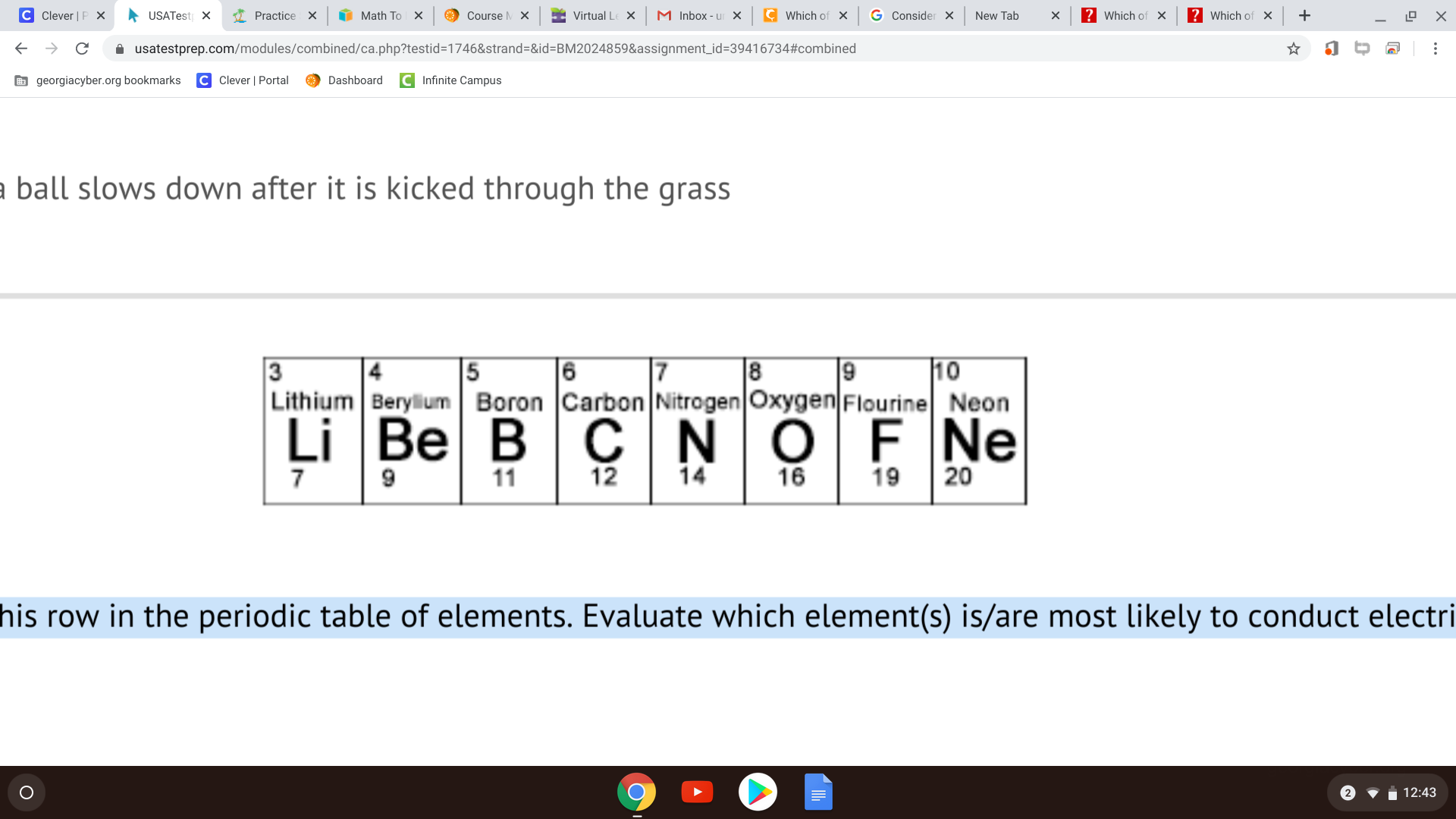
Consider this row in the periodic table of elements. Evaluate which element(s) is/are most likely to conduct electricity. A) lithium and beryllium B) fluorine and neon C) boron and carbon D) lithium
 Gamesarefun:
can you help? on this one
Gamesarefun:
........... no clue
 justjm:
Really the hint is that they are both metals
Gamesarefun:
idk lol
Gamesarefun:
lithium?
justjm:
which options are metals? Look at the periodic table |dw:1582220894653:dw|
justjm:
Lithium and...
Gamesarefun:
beryllium
justjm:
yes, correct. it is option A
 Gamesarefun:
this one?
justjm:
And you want to understand why? First, Neon has a valency of 0, and its orbitals are full, so it cannot accept more electrons. Then, it is not boron, carbon, nitrogen, flourine, etc. because even though they are able to form ions (i.e., F-, O2-, etc.), they have a very high ionization energy, so it is difficult for them to keep passing on electrons back and forth. Meanwhile, metals that are on the far left are great conductors because they can ionize and more importantly do not require a strong ionization energy to pass on free electrons
justjm:
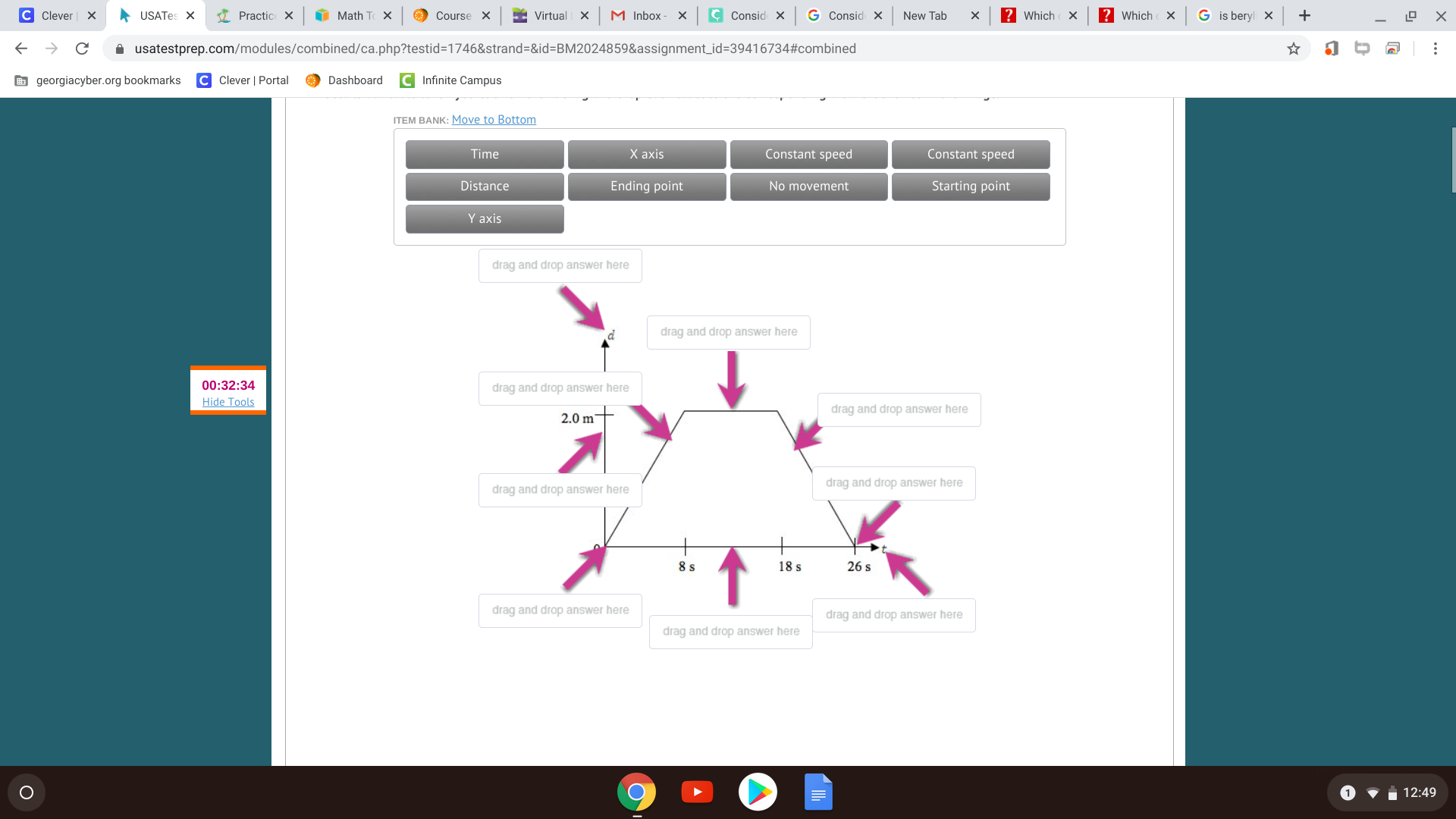
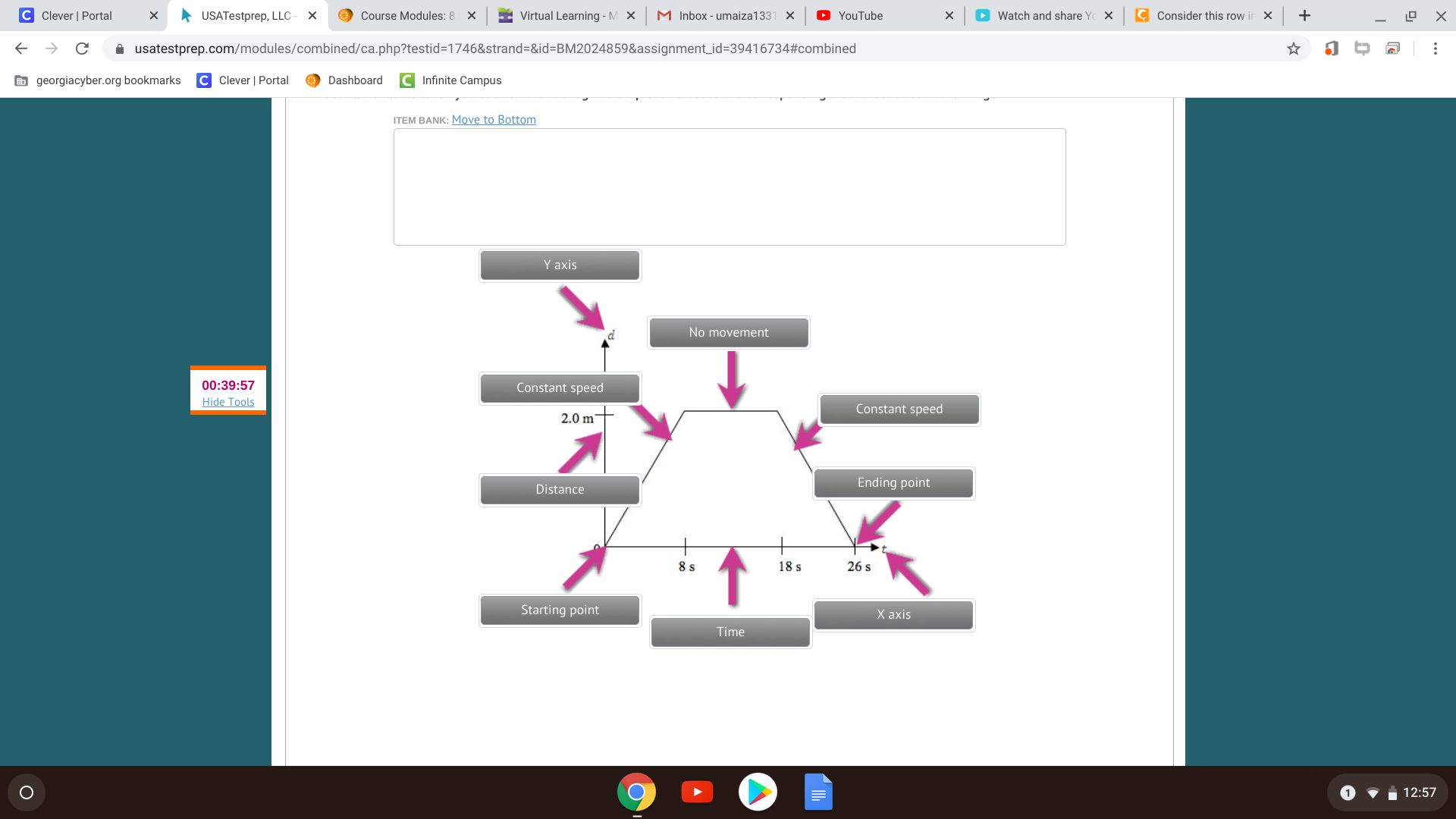
Bruh I think you should be able to do that diagram
justjm:
How about you fill up what you know and I can check (:
Gamesarefun:
ok
 justjm:
all right but maybe you would want to point distance to the 'd' and time to the 't' and switch the x and y axis alternatively, if that does matter.
Gamesarefun:
nope it doenst
 justjm:
right
Gamesarefun:
ok
 justjm:
yes
Gamesarefun:
ok
 justjm:
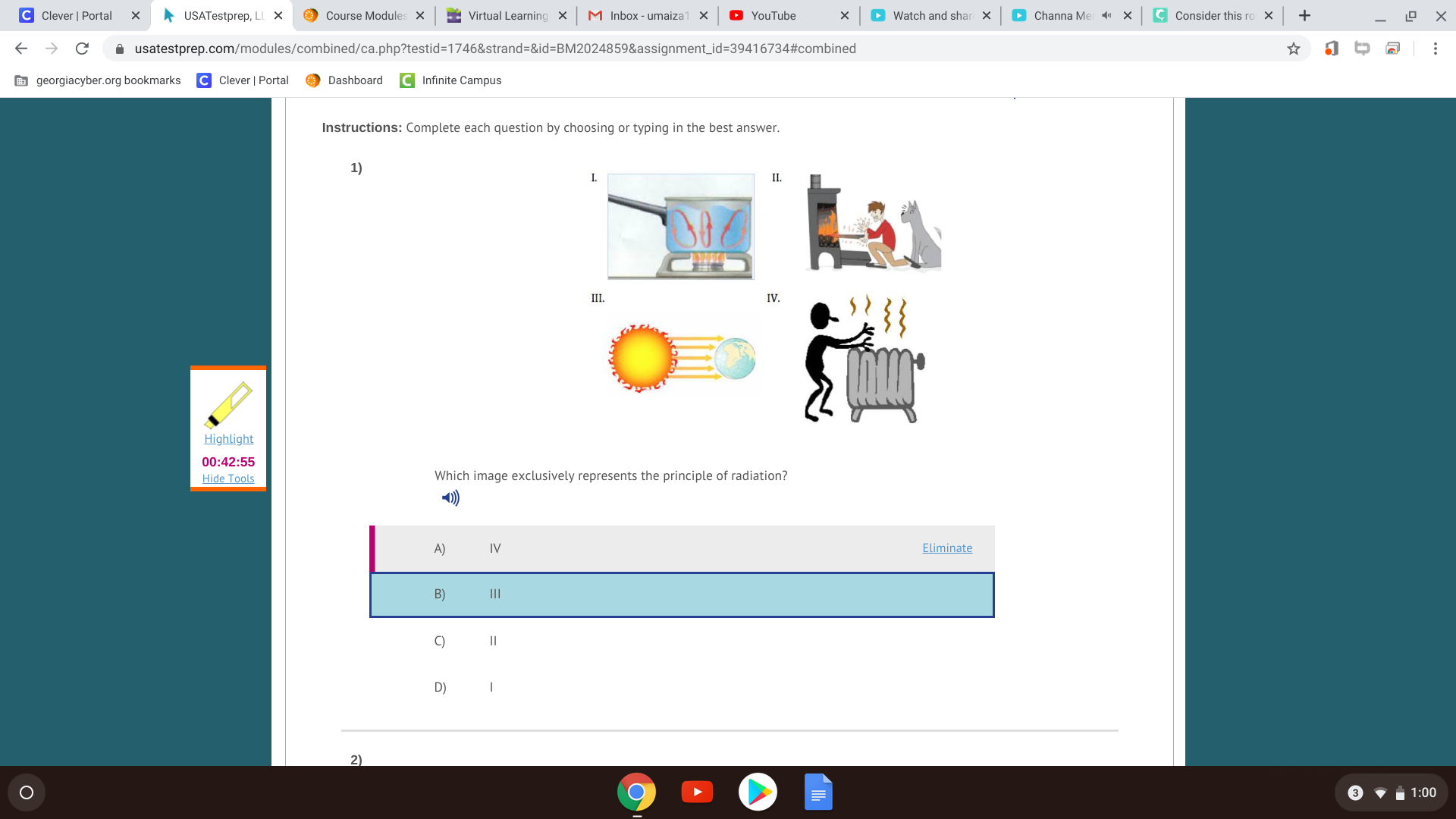
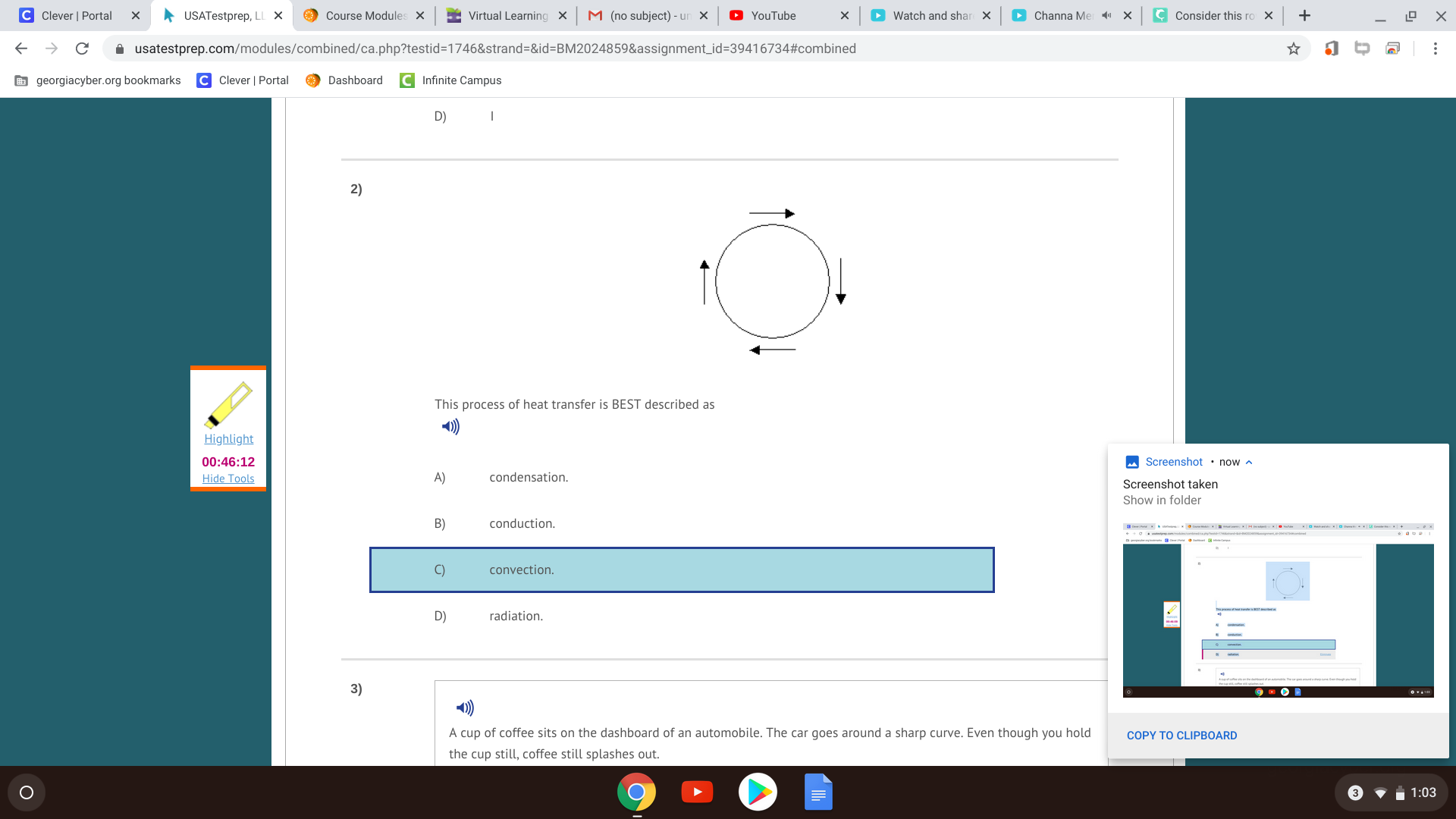
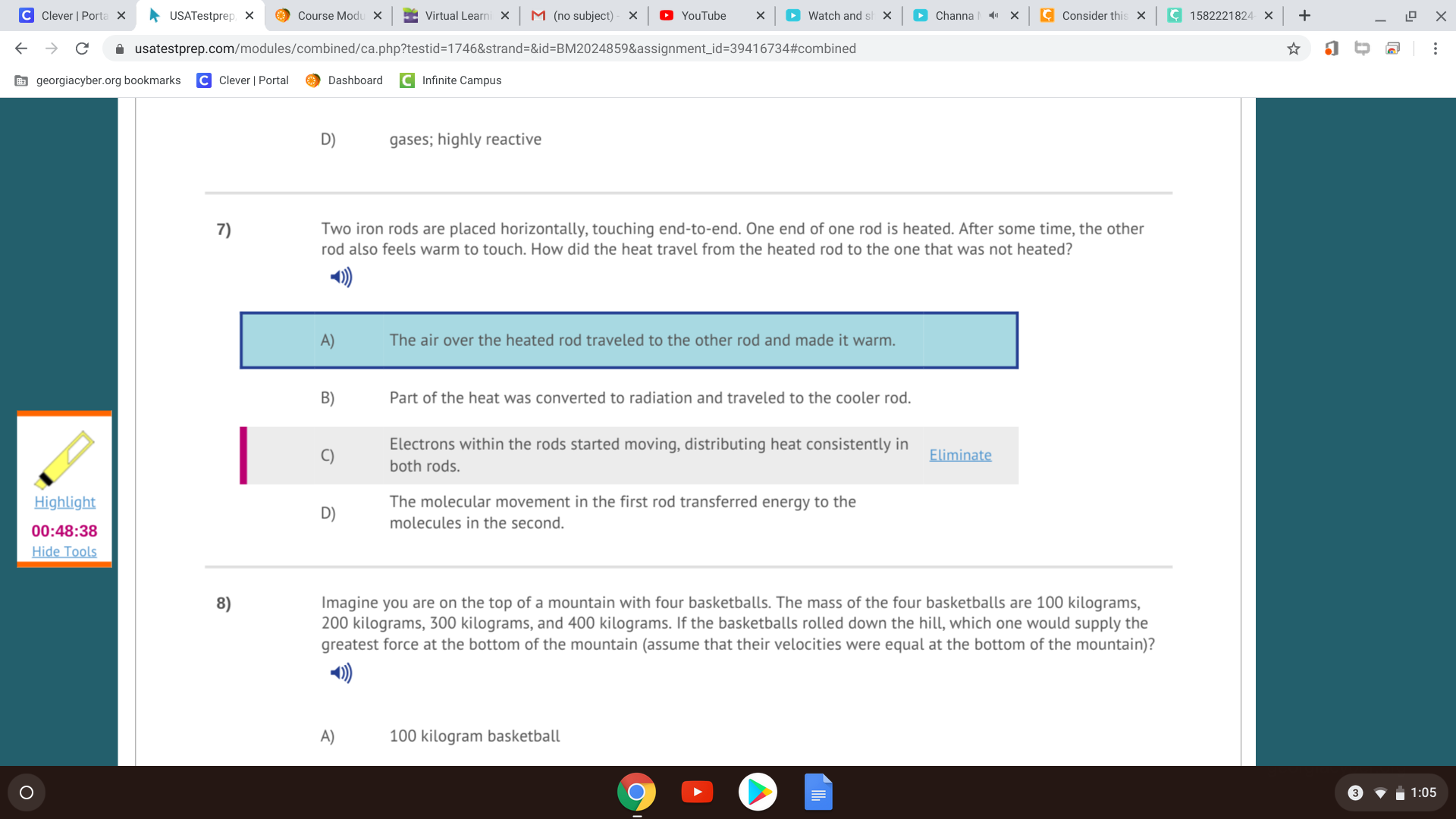
Since they are touching, the heat traveled via conduction. The fast-moving molecules of the warm object collide with the molecules of the cooler one, and they have an elastic collision so that the momentum transfers over, which increases the molecular speed of the molecules in the cooler object.
Gamesarefun:
so its wrong wich one is right then?
justjm:
The molecules in one object transfer energy to the other
justjm:
dude I can't keep answering your questions, maybe someone else can help you
Gamesarefun:
D?
justjm:
yes
justjm:
maybe post some of your questions as a new post so more people can see it and help
Join our real-time social learning platform and learn together with your friends!
 Demon25:
For a hoco proposal with a cheerleader and football player, what else should be a
Demon25:
For a hoco proposal with a cheerleader and football player, what else should be a

 Breathless:
TOC: "MGF any confirmation on the commander? we require confirmation as soon as[radio static].
Breathless:
TOC: "MGF any confirmation on the commander? we require confirmation as soon as[radio static].
 EdwinJsHispanic:
I wrote something that I don't know if I want it as a poem or song, Please let me know on yours thoughts about it, I'm still doing this! "Broken promises an
EdwinJsHispanic:
I wrote something that I don't know if I want it as a poem or song, Please let me know on yours thoughts about it, I'm still doing this! "Broken promises an
 thehearken:
hi um I don't know if this is the right section for this, but can someone go over my poem and tell me if its good enough to give my English professor for a
thehearken:
hi um I don't know if this is the right section for this, but can someone go over my poem and tell me if its good enough to give my English professor for a
 heartlessprophet:
Aye what's 19z%u00f74p=9u03c0 my teacher thinking of impossible questions for us
heartlessprophet:
Aye what's 19z%u00f74p=9u03c0 my teacher thinking of impossible questions for us
 kippppp:
does anyone have any good tips for writing stories? i'm trying to write a dnd campaign but i'm not that great of a writer yet.
kippppp:
does anyone have any good tips for writing stories? i'm trying to write a dnd campaign but i'm not that great of a writer yet.
 GRIZZLEY19:
Y'all let me know what y'all think about this beat I made I took me like a hour maybe rate it 0/10 https://drive.
GRIZZLEY19:
Y'all let me know what y'all think about this beat I made I took me like a hour maybe rate it 0/10 https://drive.
 Ultrilliam:
Welcome to the 10th Anniversary Update! (Part 2) Sorry this one passed the date a
Ultrilliam:
Welcome to the 10th Anniversary Update! (Part 2) Sorry this one passed the date a
 Twaylor:
was walking downtown and my adhd brain wanted to make some (rock?) lyrics: There'
Twaylor:
was walking downtown and my adhd brain wanted to make some (rock?) lyrics: There'