
 sammixboo:
A Basic Walkthrough On Understanding Color
sammixboo:
\(\Large \mathtt{\color{skyblue}{Basic~~Color~~Vocabulary}}\) To start off, we should clarify two terms that are often used interchangeably: hue and color. When it comes to talking about color, these two things are very different, so it is important to be clear when communicating with other artists about color. \(\underline{\mathtt{\color{skyblue}{Hue}}}\) refers to the dominant color, or perhaps the name. For example, red, yellow, green, and purple are all hues. However, black, white, and grey are not considered to be hues. \(\underline{\mathtt{\color{skyblue}{Color}}}\) refers to all colors that can be made, this includes all hues, black, grey, white, and everything in-between.
sammixboo:
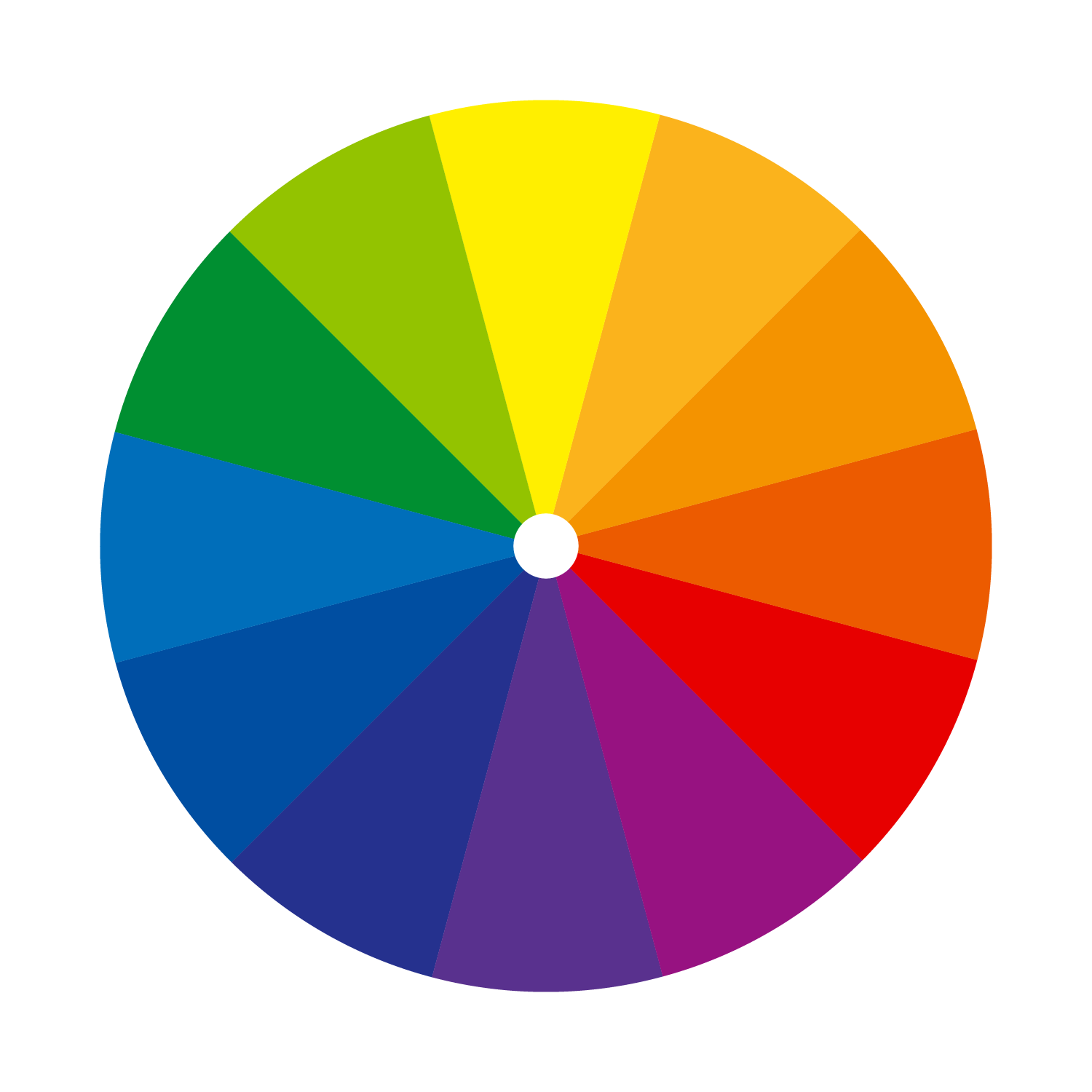
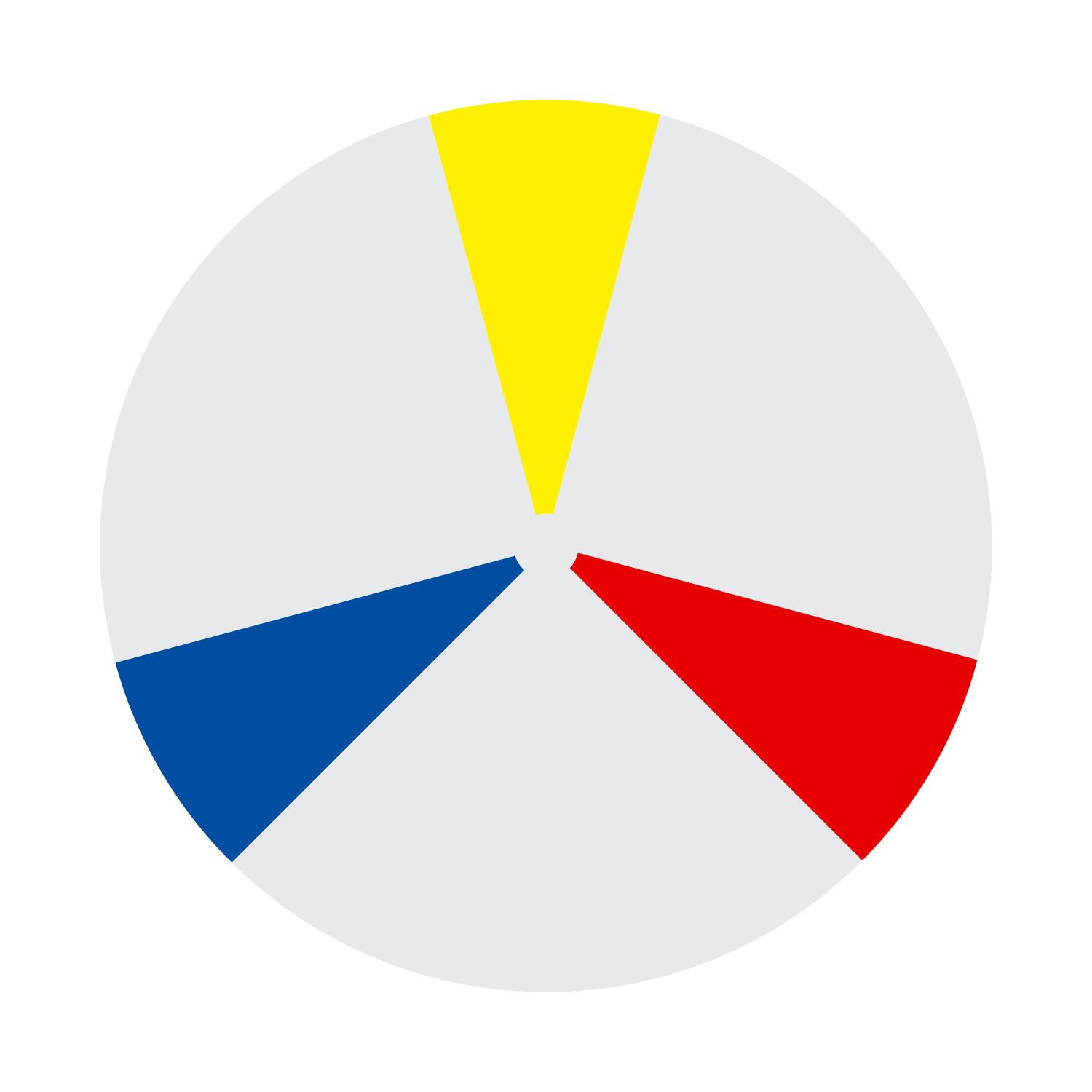
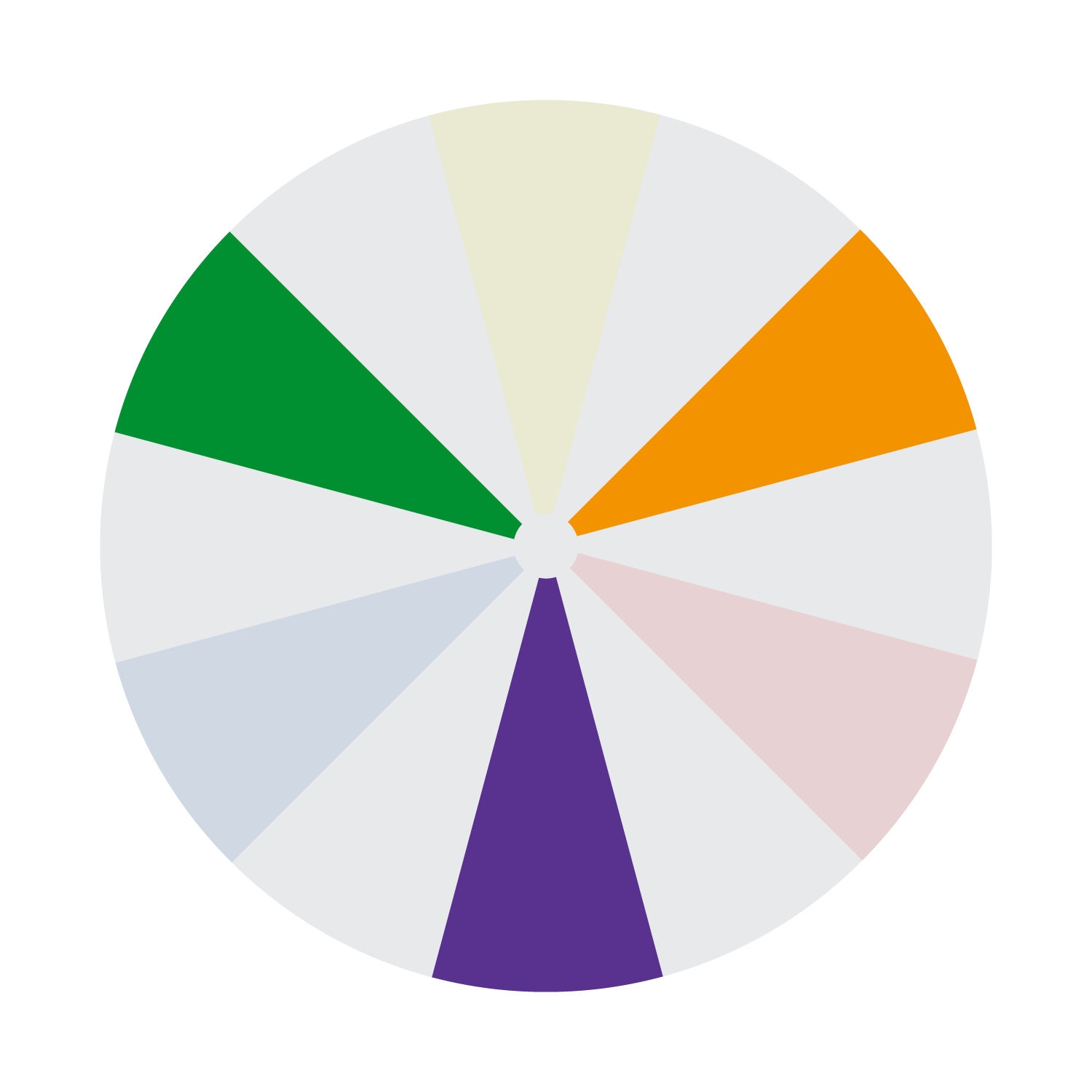
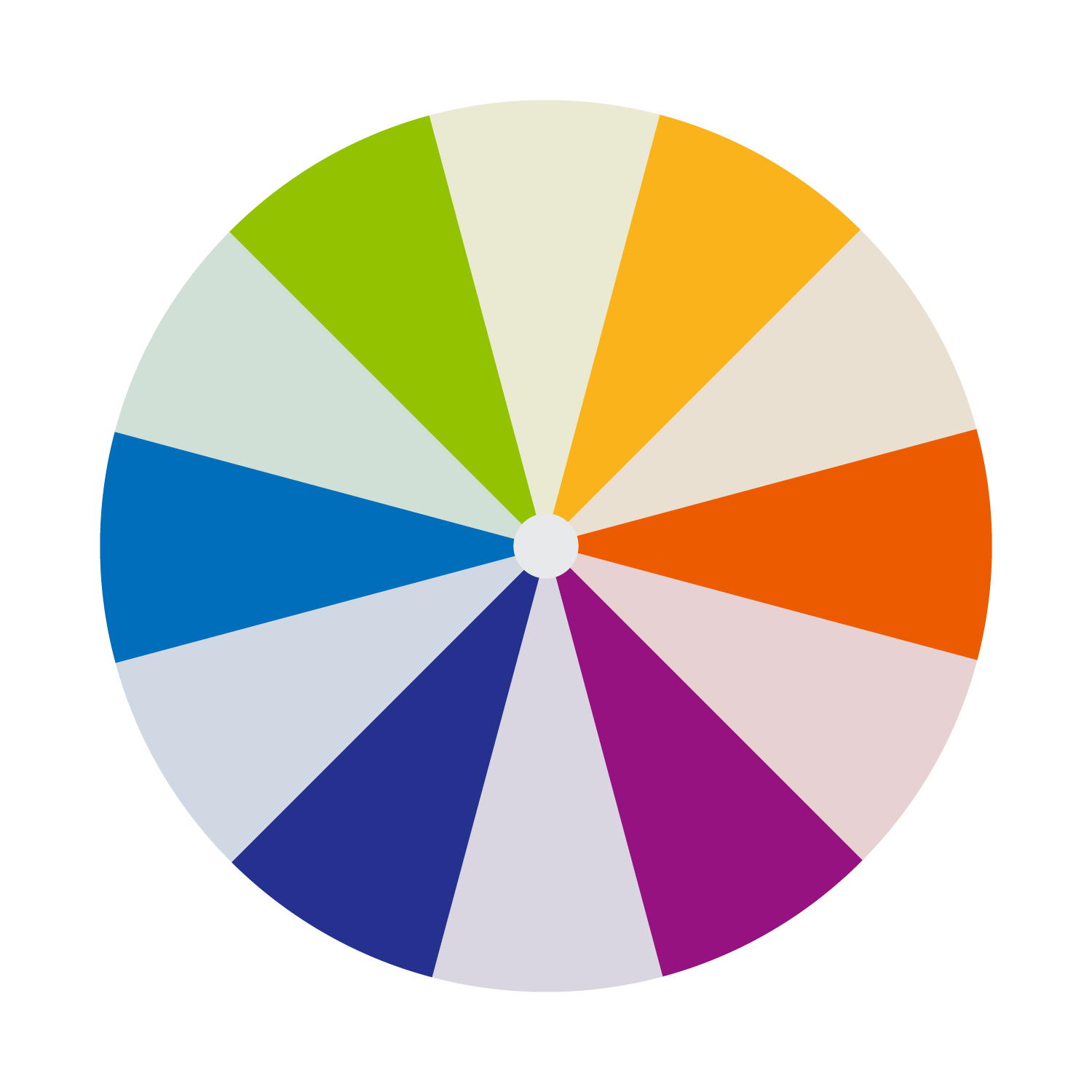
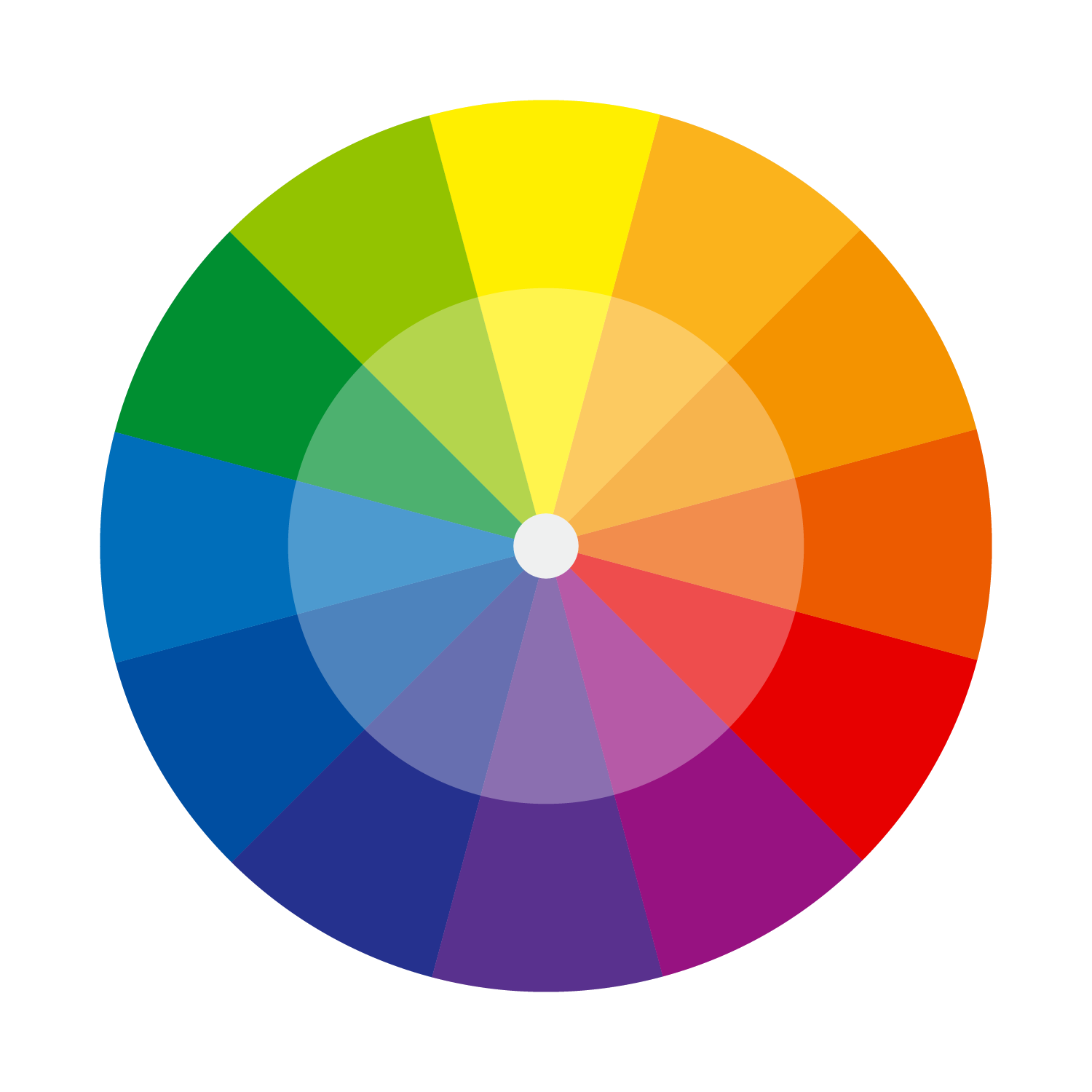
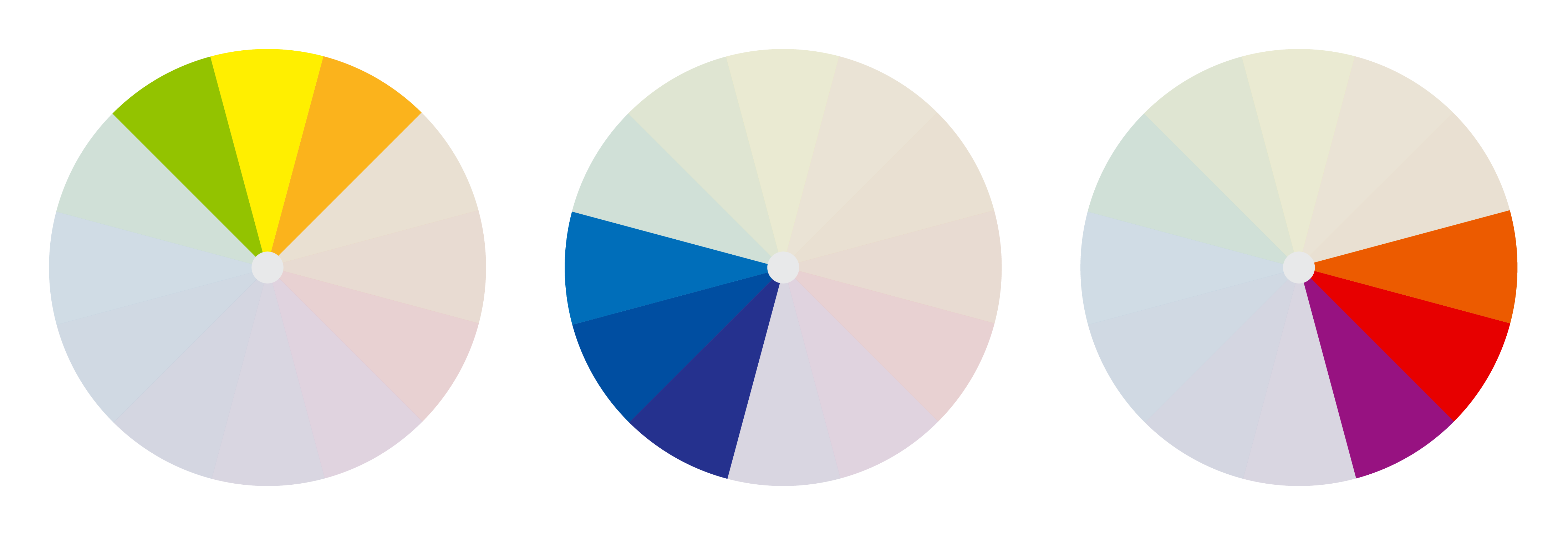
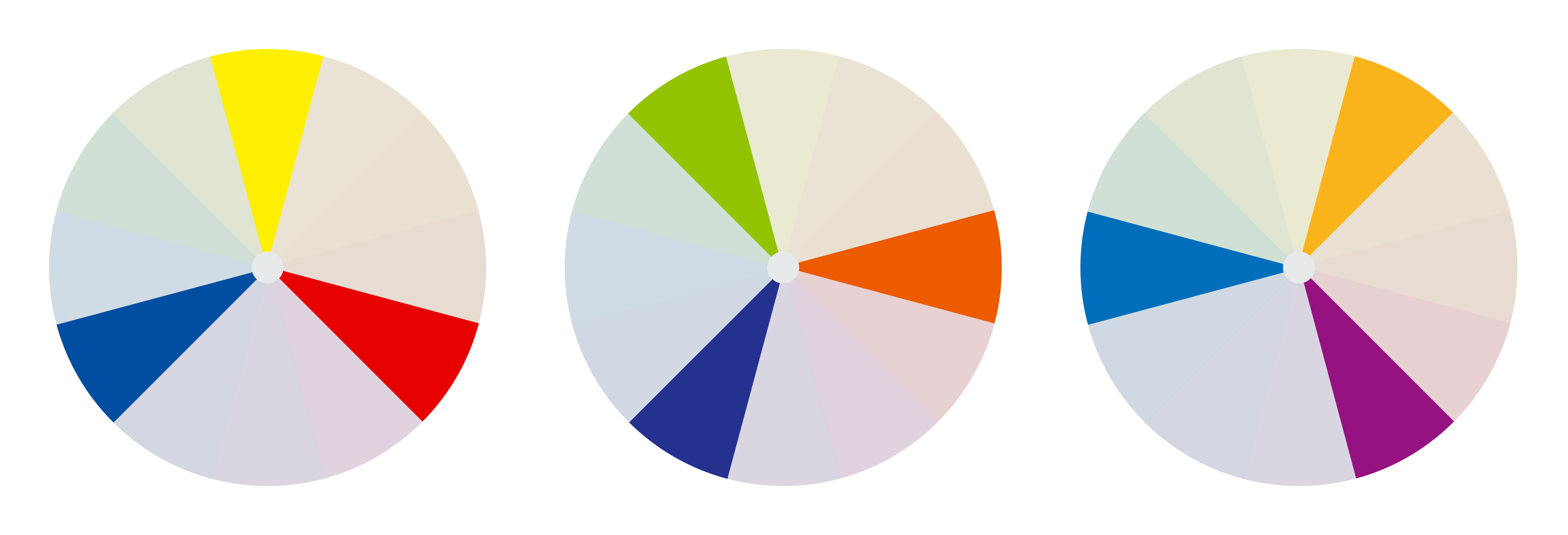
\(\Large \mathtt{\color{skyblue}{The~~Color~~Wheel}}\) The color wheel (shown in Figure 1) shows a variety of hues within a circle. The purpose of the color wheel is to show the relationships between different colors. This tool is important for many types of artists, ranging from painters to digital artists to hairstylists. The color wheel can be broken down into many categories to further expand our understanding of color combinations. These categories are: \(\underline{\mathtt{\color{skyblue}{Primary~colors}}}\) (shown in Figure 2) consists of blue, yellow, and red. Every other hue out there can be made with just these three colors. However, no mixture of colors can make a primary color. \(\underline{\mathtt{\color{skyblue}{Secondary~colors}}}\) (shown in Figure 3) consists of orange, purple, and green. These colors are made by mixing two of the three primary colors together. \(\underline{\mathtt{\color{skyblue}{Tertiary~colors}}}\) (shown in Figure 4) consists of all of the hues between the primary colors and secondary colors. These colors can be made by mixing one primary color with one secondary color.
 sammixboo:
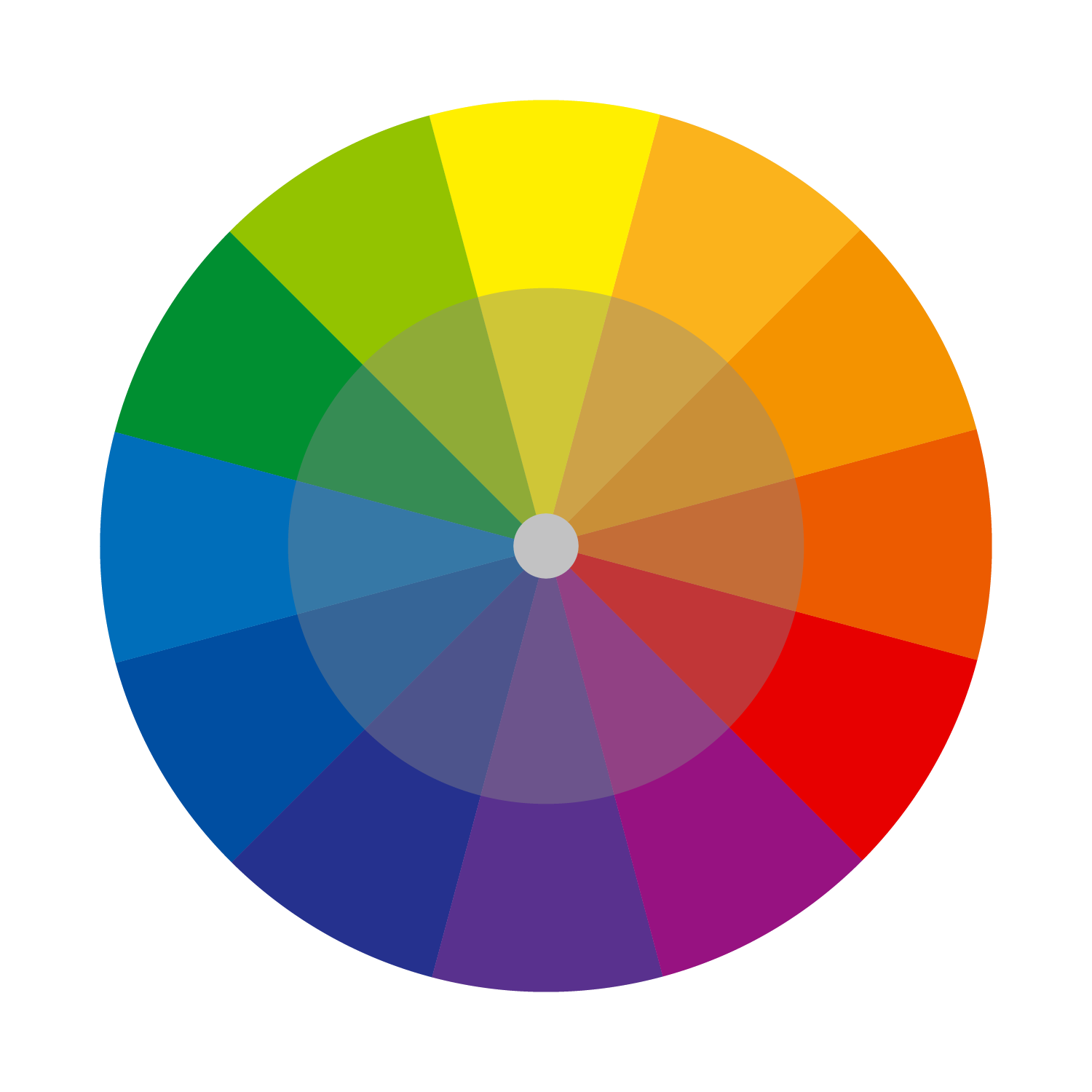
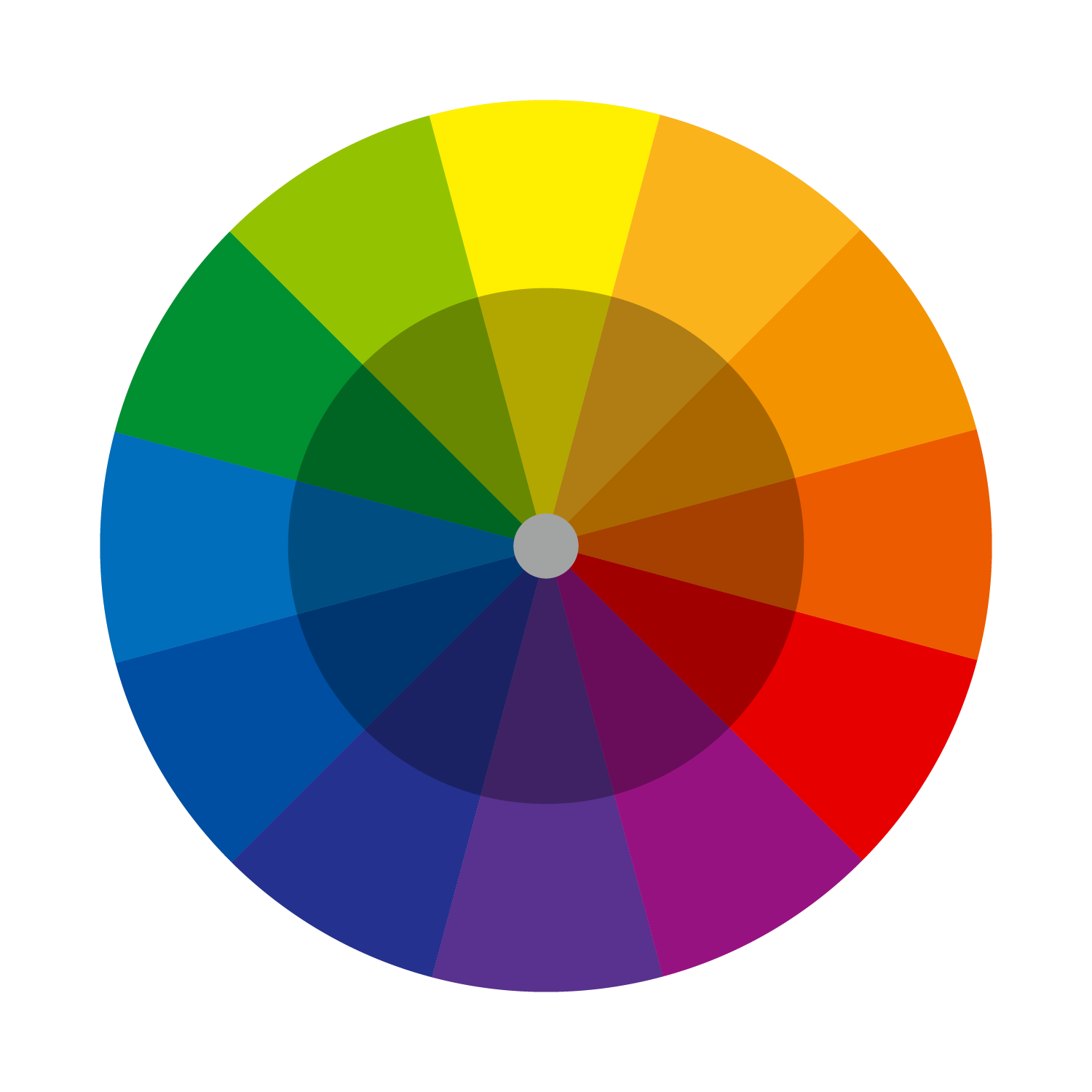
\(\Large \mathtt{\color{skyblue}{Tints,~Tones,~and~~Shades}}\) All of the hues can be combined with a variation of white and black to creates a variety of new colors and can add depth to your art piece. These different variations are referred to as tint, tone, and shade. \(\underline{\mathtt{\color{skyblue}{Tint}}}\) is often used incorrectly, mostly with the term tone,but what it really means is to lighten the color by using white. If you mix any hue with white, you will create a tint (shown in Figure 5). \(\underline{\mathtt{\color{skyblue}{Tone}}}\) is created when grey is mixed with any hue (shown in Figure 6). However, the grey must be completely neutral for it to be a pure tone. That means the grey cannot include any other colors besides black and white. \(\underline{\mathtt{\color{skyblue}{Shade}}}\) is also often mistaken for tone, because of how we view shadows in the real world. Despite that, a shade is when only black is added to any hue (shown in Figure 7). There are other methods of creating a lighter or darker color, because tints, tones, and shades can typically appear to be faded. Instead of mixing white, grey, and black, perhaps you can mix a light yellow or a dark blue to keep the saturation up.
 sammixboo:
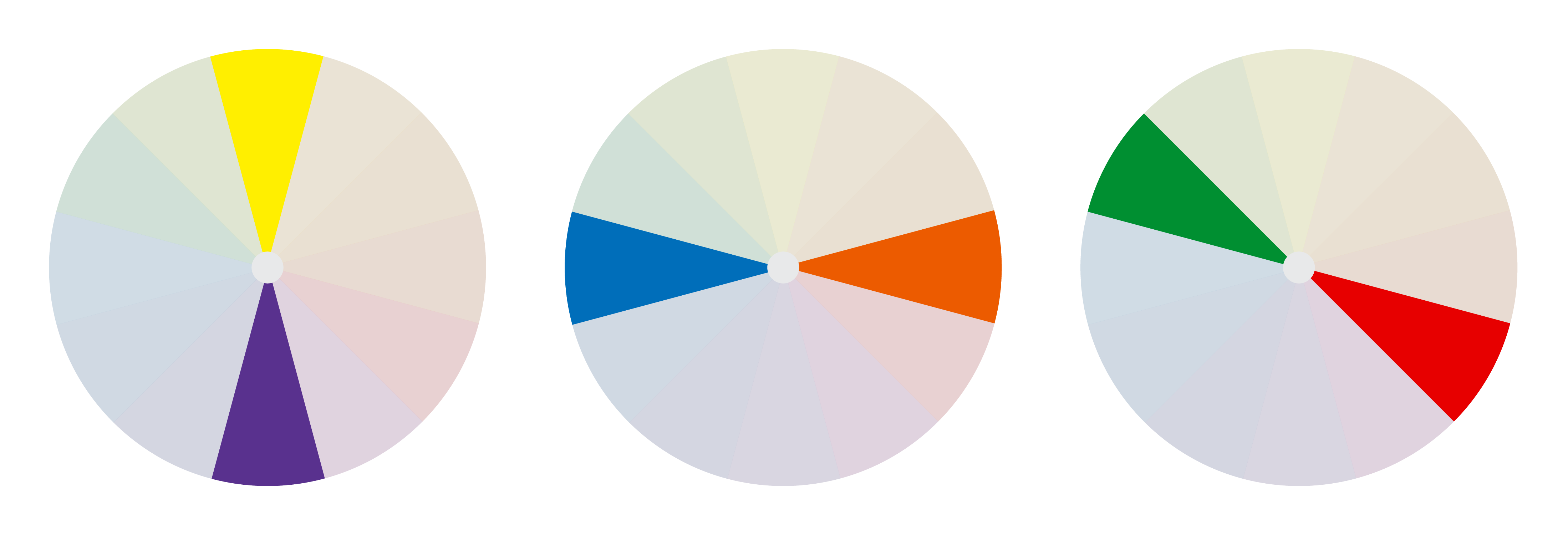
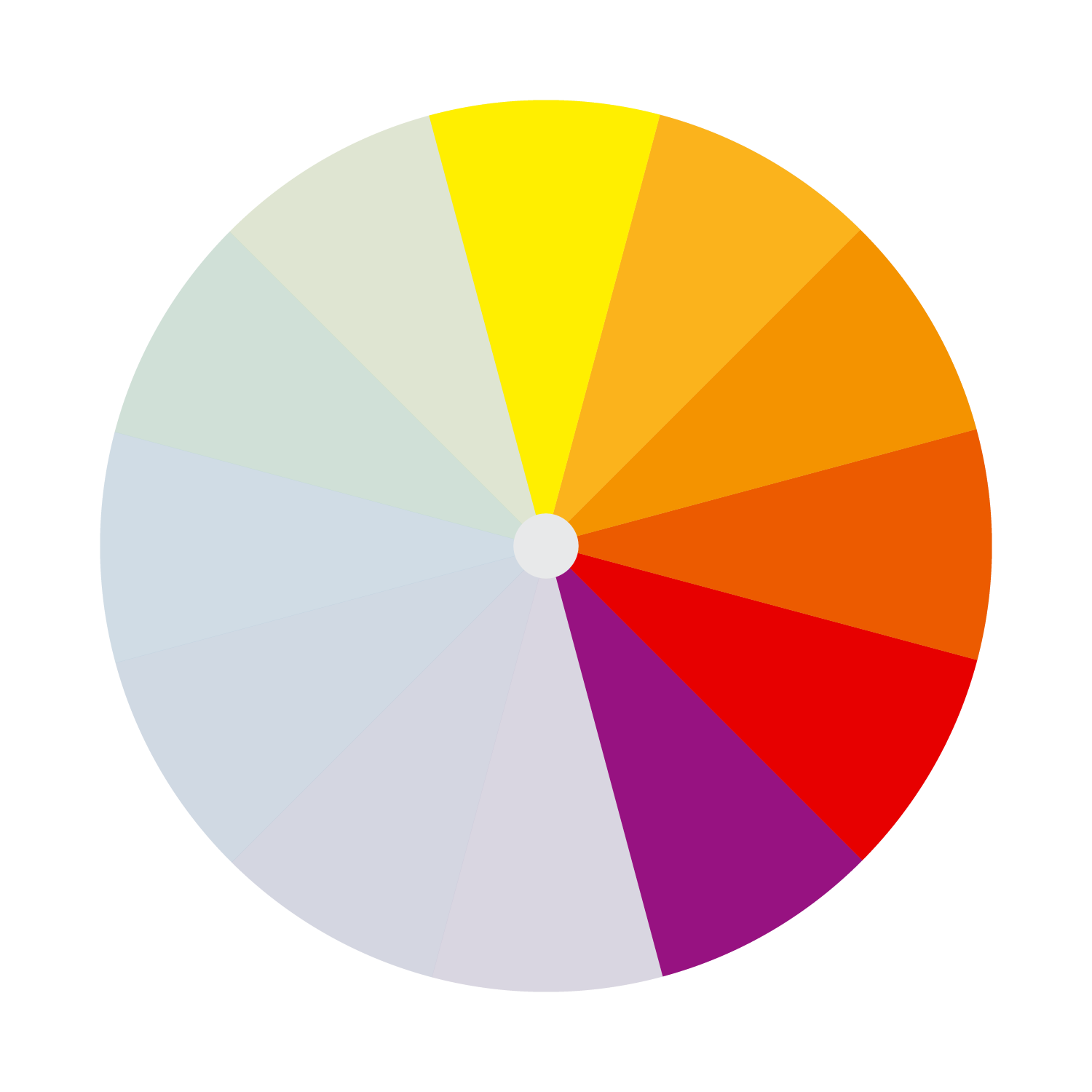
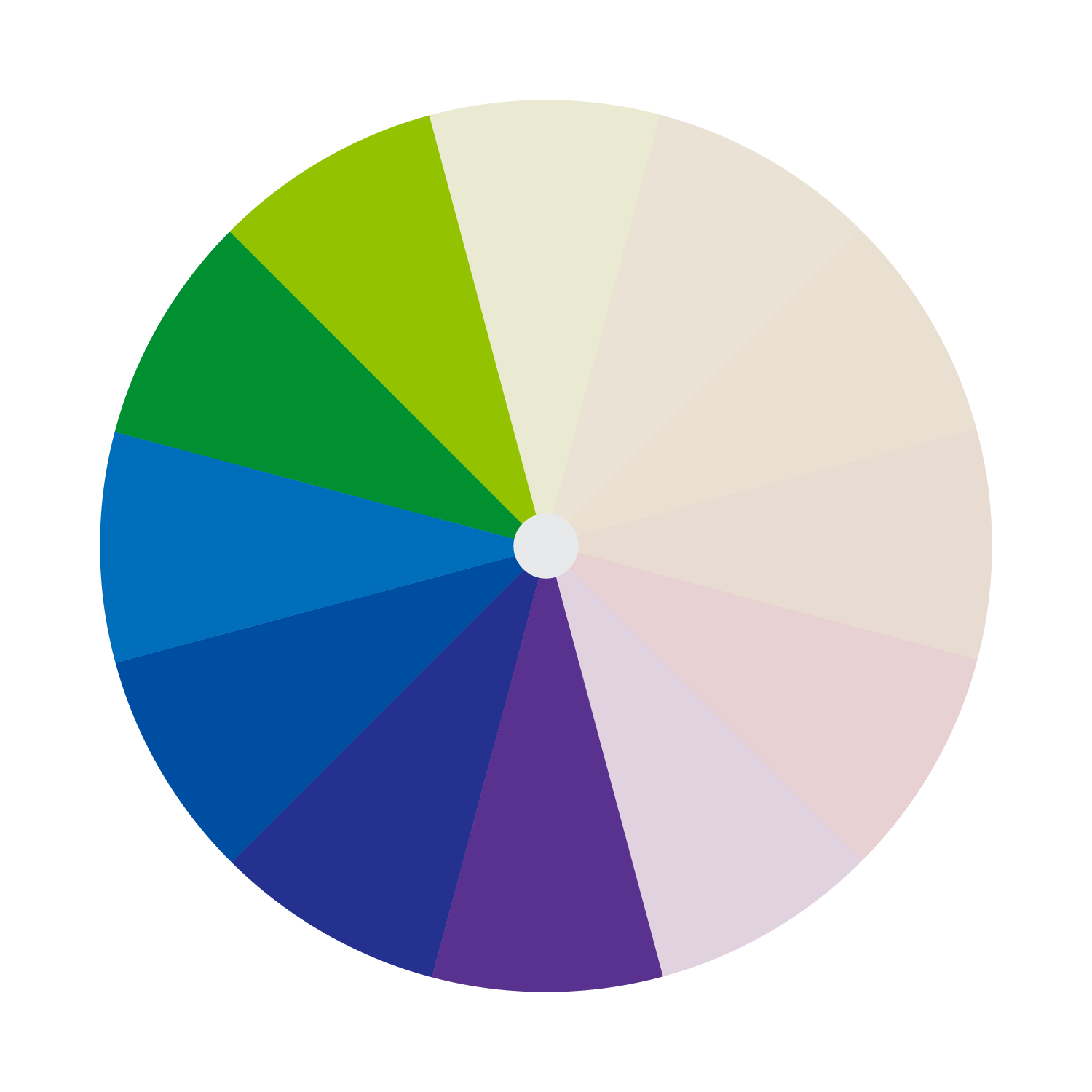
\(\Large \mathtt{\color{skyblue}{Color~~Harmony~~and~~Combinations}}\) Now, what color combinations are out there? The possibilities are endless, but there are a few simple schemes that always promise a harmonious color set. Some of these combinations include, but are not limited to: \(\underline{\mathtt{\color{skyblue}{Complimentary}}}\) colors are colors that are on the exact opposite of the color wheel (shown in Figure 8). These colors should be used sparingly, mostly when you need a color or something to pop out from everything else. \(\underline{\mathtt{\color{skyblue}{Analogous}}}\) color combinations consist of any three colors that are right next to each other on the color wheel (shown in Figure 9). \(\underline{\mathtt{\color{skyblue}{Triadic}}}\) colors are three colors that are evenly spaced out on the color wheel (shown in Figure 10). \(\underline{\mathtt{\color{skyblue}{Monochromatic}}}\) colors consist of many variations of one hue. An example of a monochromatic color scheme is red, pink (light red), and burgundy (dark red). \(\underline{\mathtt{\color{skyblue}{Warm}}}\) colors revolve around the hue red and orange. Any other colors that are mixed more with red or orange are to be considered warm in color. This can include the colors from yellow to a red-violet (shown in Figure 11). \(\underline{\mathtt{\color{skyblue}{Cool}}}\) colors revolve around the hue blue and purple. Any other colors that are mixed more with blue or purple are to be considered cool in color. This can include the colors from yellow-green to violet (shown in Figure 12).
 sammixboo:
The topic of color goes a lot deeper than what has been stated above, such has how one color can look different when compared to other colors, creating greys from complementary colors, and the psychology behind colors and why certain combinations work or not. Feel free to ask any questions you may have relating to color!
 Lilian9667:
How do I do a Shade color tho
Lilian9667:
i want to learn how to do it
sammixboo:
\(\color{#0cbb34}{\text{Originally Posted by}}\) @Lilian9667 How do I do a Shade color tho \(\color{#0cbb34}{\text{End of Quote}}\) You do this by adding black to it!
 Timmyspu:
ok thx
 theycallmelesbian:
this helped a lot for what im about to work on though thanks haha
 apexplayer900:
thanks
 Ashely:
thanks
 boredfr:
Colors are just how light relfects-
 dunlapace:
exaltly
Join our real-time social learning platform and learn together with your friends!
 KBaby:
Verse 1 We left our names in the dust of the driveway Watched the old town shrink
KBaby:
Lyrics Generator Use AI to write the lyrics for a song. Suggested Genres: Pop Hip
KBaby:
Verse 1 We left our names in the dust of the driveway Watched the old town shrink
KBaby:
Lyrics Generator Use AI to write the lyrics for a song. Suggested Genres: Pop Hip

 aitexturegenerator:
How are you all handling AI-generated textures for 3D models and game assets without losing the hand-made feel? I've been doing a small stylized environment
aitexturegenerator:
How are you all handling AI-generated textures for 3D models and game assets without losing the hand-made feel? I've been doing a small stylized environment

 Demon25:
Woke up feeling like that girl and that dude well he still aint crap pluse the du
Demon25:
Woke up feeling like that girl and that dude well he still aint crap pluse the du
 playtsec:
how do I get rid of stress from teachers... I just feel like running out the classroom and leaving on my own.
playtsec:
how do I get rid of stress from teachers... I just feel like running out the classroom and leaving on my own.
 JohnnyLFowler0812:
What type of gamer would play something and then get off for a while. Why not sta
JohnnyLFowler0812:
Which is better? Metallica Rap Country R&B hiphop Medal Gospel Chill Which 3 opti
JohnnyLFowler0812:
What type of gamer would play something and then get off for a while. Why not sta
JohnnyLFowler0812:
Which is better? Metallica Rap Country R&B hiphop Medal Gospel Chill Which 3 opti