
 ThatWeirdo:
There are two types of cells, prokaryotic and eukaryotic. Although the types of cell share some similarities, compartmentalization is not a shared characteristic. Describe the endosymbiotic theory. Identify and explain three pieces of evidence that support the endosymbiotic theory.
 Sock:
Sock:
Hope it helps :D
 byakuyatogami1234:
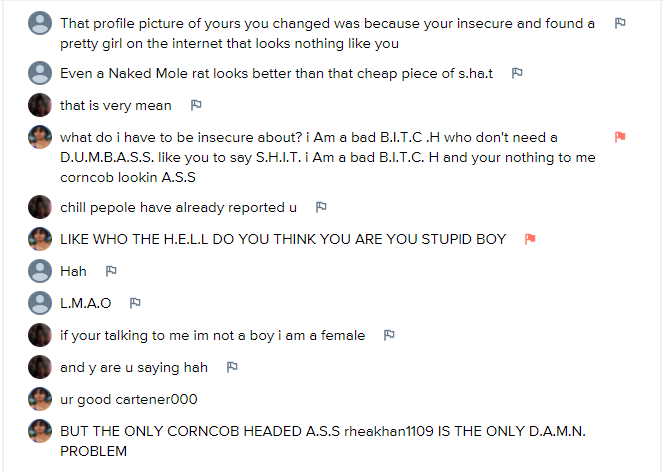
look, there is this corncob headed kid who trynna make me insicure, and sock is right, look, im the one with the green and blue, the corncob kid is the one with no profile pic. look. this kid got me dying 🤣🤣🤣🤣🤣🤣🤣🤣🤣
 Sock:
Sock:
byakuyatogami1234:
Endosymbiotic theory is one of the evolutionary theories that are still prevalent to this day. It is a presumption that an endosymbiosis occurred between the early life forms. This form of symbiosis involves a larger cell that serves as a host and a smaller cell that is referred to as an endosymbiont. In endosymbiotic theory, it posited that the larger cell engulfed or took in the smaller cell. The larger cell represents the eukaryotic cell of today whereas the smaller cell, the prokaryotic cell. A eukaryotic cell is distinct from a prokaryotic cell by the presence of membrane-bound cellular structures called organelles. And based upon this theory, the organelles mitochondria and chloroplasts are supposedly the early prokaryotic endosymbionts that had been taken in. They stayed inside the host cell for so long that they transitioned into those semi-autonomous organelles we know today. {from that site sock put} hope dis helps
Join our real-time social learning platform and learn together with your friends!
 VERNEISH:
Two objects are moving along separate linear paths where each path is described by position, d, and time, t.
VERNEISH:
Two objects are moving along separate linear paths where each path is described by position, d, and time, t.

 Maci:
what are the best stock apps for people who want to start investing?
Maci:
what are the best stock apps for people who want to start investing?
 Twaylor:
genuienly how do i get better self control i keep watcing youtube and theres this
Twaylor:
genuienly how do i get better self control i keep watcing youtube and theres this
 IzzyCookie:
|dw:1792074056138:dw| Uhm, I don't know where to ask this, but I'm in college welding at my community college, and I need help learning vertical welding for
IzzyCookie:
|dw:1792074056138:dw| Uhm, I don't know where to ask this, but I'm in college welding at my community college, and I need help learning vertical welding for

 thehearken:
not sure if this is considered spam, im sorry if it is, but does anyone have tips
thehearken:
not sure if this is considered spam, im sorry if it is, but does anyone have tips