
 kacchanforlife:
help
 kacchanforlife:
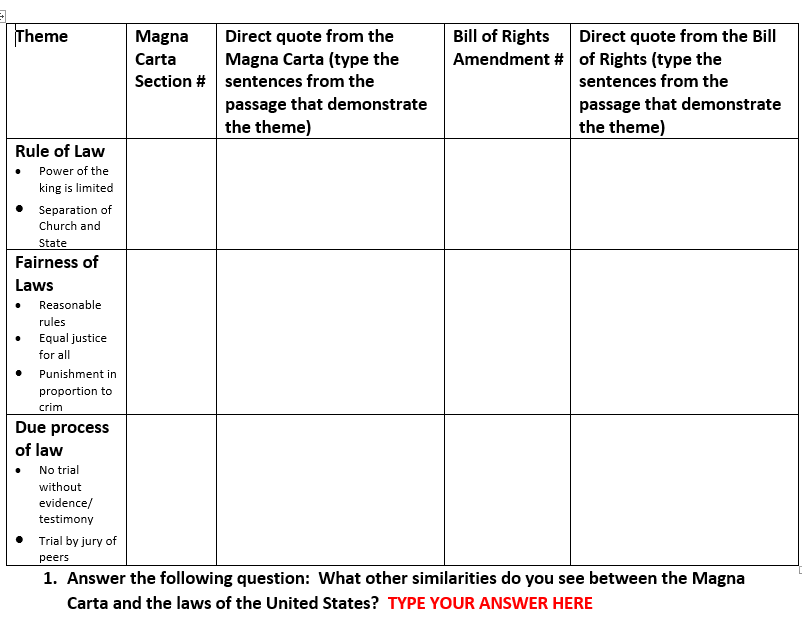
The Magna Carta JOHN, by the grace of God King of England, Lord of Ireland, Duke of Normandy and Aquitaine, and Count of Anjou, to his archbishops, bishops, abbots, earls, barons, justices, foresters, sheriffs, stewards, servants, and to all his officials and loyal subjects, Greeting. (1) FIRST, THAT WE HAVE GRANTED TO GOD, and by this present charter have confirmed for us and our heirs in perpetuity, that the English Church shall be free, and shall have its rights undiminished, and its liberties unimpaired. That we wish this so to be observed, appears from the fact that of our own free will, before the outbreak of the present dispute between us and our barons, we granted and confirmed by charter the freedom of the Church's elections - a right reckoned to be of the greatest necessity and importance to it - and caused this to be confirmed by Pope Innocent III. This freedom we shall observe ourselves, and desire to be observed in good faith by our heirs in perpetuity. (The writers have a problem with King John, not the Church. They want the Church to be able to act without the king’s interference.) TO ALL FREE MEN OF OUR KINGDOM we have also granted, for us and our heirs forever, all the liberties written out below, to have and to keep for them and their heirs, of us and our heirs: (At the time, this covered about 10% of the population; however, over time, as more of the population qualified as “free men,” it came to include practically all of the people of Great Britain.) (12) No 'scutage' or 'aid' (tax) may be levied in our kingdom without its general consent, (14) To obtain the general consent of the realm for the assessment of an 'aid' - or a 'scutage'(tax), we will cause the archbishops, bishops, abbots, earls, and greater barons to be summoned individually by letter... to come together on a fixed day (of which at least forty days notice shall be given) and at a fixed place. In all letters of summons, the cause of the summons will be stated. When a summons has been issued, the business appointed for the day shall go forward in accordance with the resolution of those present, even if not all those who were summoned have appeared. (20) For a trivial offence, a free man shall be fined only in proportion to the degree of his offence, and for a serious offence correspondingly, but not so heavily as to deprive him of his livelihood... None of these fines shall be imposed except by the assessment on oath of reputable men of the neighborhood. (21) Earls and barons shall be fined only by their equals, and in proportion to the gravity of their offence. (36) In future nothing shall be paid or accepted for the issue of a writ of inquisition of life or limbs. It shall be given gratis, andnot refused. (This section required that an investigation be conducted in any case that might result in the defendant being deprived of life or limb, andsubject to punishment.The writ calling for the investigation was to be issued free of charge.) [A writ is a legal document issued by a court, under the authority of the state, compelling certain action to be taken.] (38) In future no official shall place a man on trial upon his own unsupported statement, without producing credible witnesses to the truth of it. (39) No free man shall be seized or imprisoned, or stripped of his rights or possessions, or outlawed or exiled, or deprived of his standing in any other way, nor will we proceed with force against him, or send others to do so, except by the lawful judgment of his peers (equals)or by the law of the land. (40) To no one will we sell, to no one deny or delay right or justice. (The practice, until this was written, was to charge a fee for certain writs. These charges were considered a way for the king to raise revenue.) (60) All these customs and liberties that we have granted shall be observed in our kingdom in so far as concerns our own relations with our subjects. Let all men of our kingdom, whether clergy or laymen, observe them similarly in their relations with their own men. (63) IT IS ACCORDINGLY OUR WISH AND COMMAND that the English Church shall be free, and that men in our kingdom shall have and keep all these liberties, rights, and concessions, well and peaceably in their fullness and entirety for them and their heirs, of us and our heirs, in all things and all places for ever.
kacchanforlife:
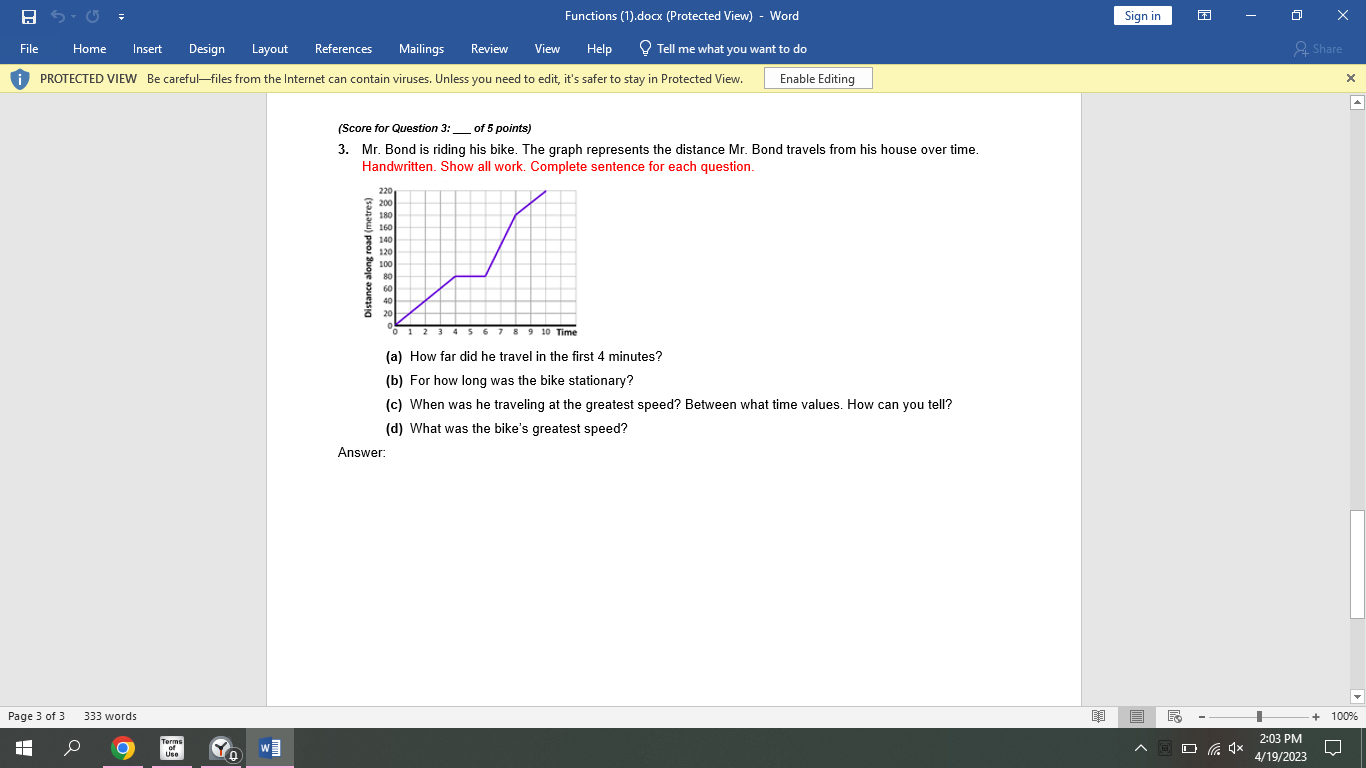
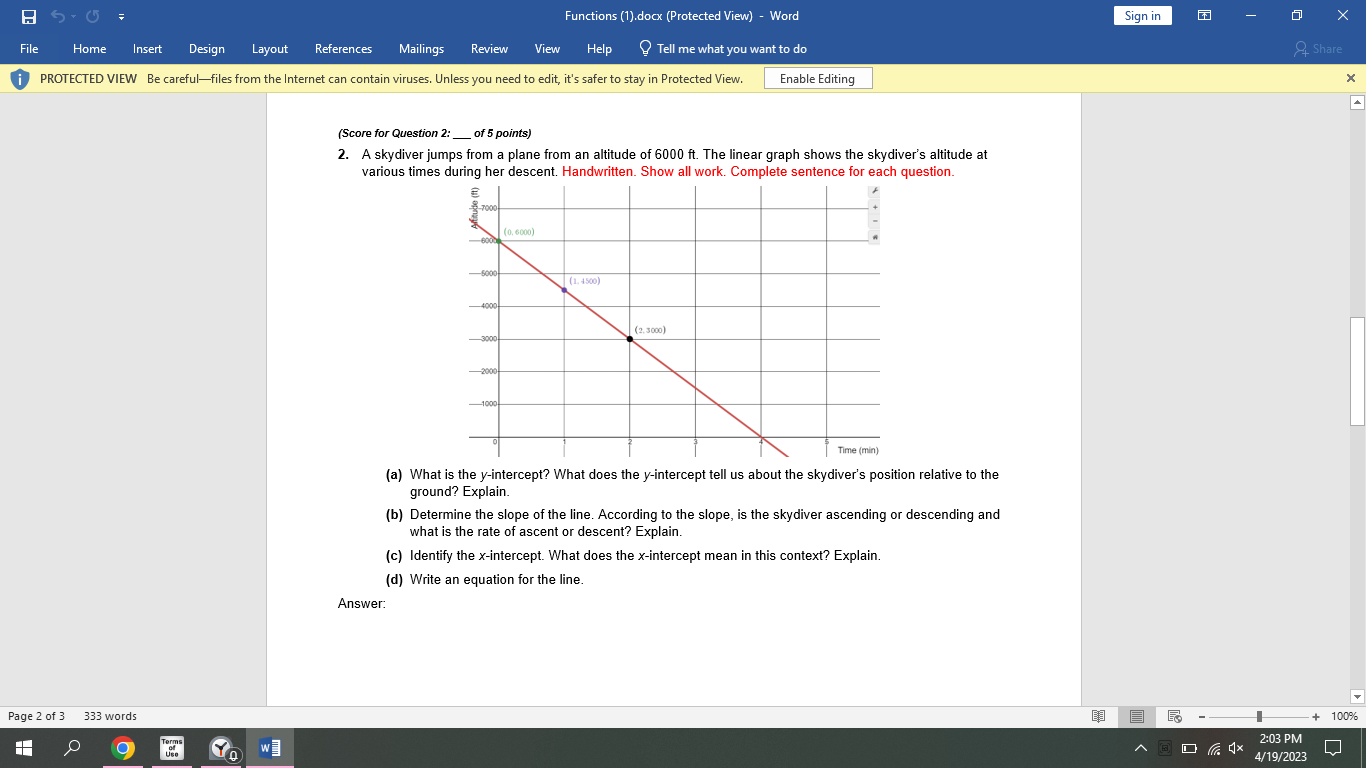
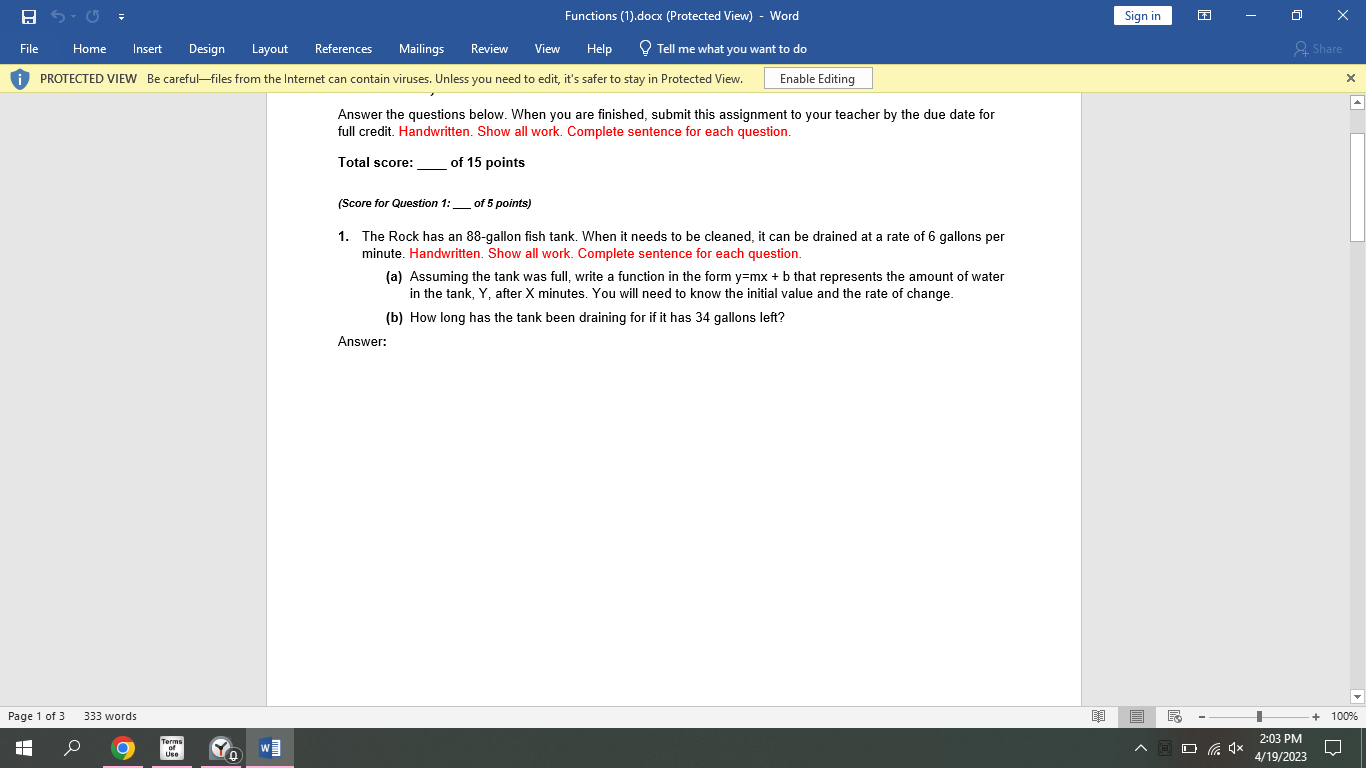
al i need help on is the math (the next 3 photos) bc @chrisgarcia16 is solving the first one!
kacchanforlife:
all*
 ChrisGarcia16:
Writing the last part right now, would you like the website I used? if so: https://www.ushistory.org/documents/amendments.htm
kacchanforlife:
ty!
ChrisGarcia16:
One of the things I've noticed between the two is they both speak of how those of higher ups and more authority cannot abuse the power that they hold, meaning no matter if they're the president or king there are certain topics and things they cannot touch, it has to be for the people and those else apart of the decision making to decide on. So instead of going against the people it gives the people room to have a say so they work together instead of against.
ChrisGarcia16:
Bam, all done! Hope it helped <3 :]
kacchanforlife:
omgg tysm!
ChrisGarcia16:
Join our real-time social learning platform and learn together with your friends!
 VERNEISH:
Two objects are moving along separate linear paths where each path is described by position, d, and time, t.
VERNEISH:
Two objects are moving along separate linear paths where each path is described by position, d, and time, t.

 Maci:
what are the best stock apps for people who want to start investing?
Maci:
what are the best stock apps for people who want to start investing?
 Twaylor:
genuienly how do i get better self control i keep watcing youtube and theres this
Twaylor:
genuienly how do i get better self control i keep watcing youtube and theres this
 IzzyCookie:
|dw:1792074056138:dw| Uhm, I don't know where to ask this, but I'm in college welding at my community college, and I need help learning vertical welding for
IzzyCookie:
|dw:1792074056138:dw| Uhm, I don't know where to ask this, but I'm in college welding at my community college, and I need help learning vertical welding for

 thehearken:
not sure if this is considered spam, im sorry if it is, but does anyone have tips
thehearken:
not sure if this is considered spam, im sorry if it is, but does anyone have tips